Christian Chan, The University of California – Santa Barbara
Abstract
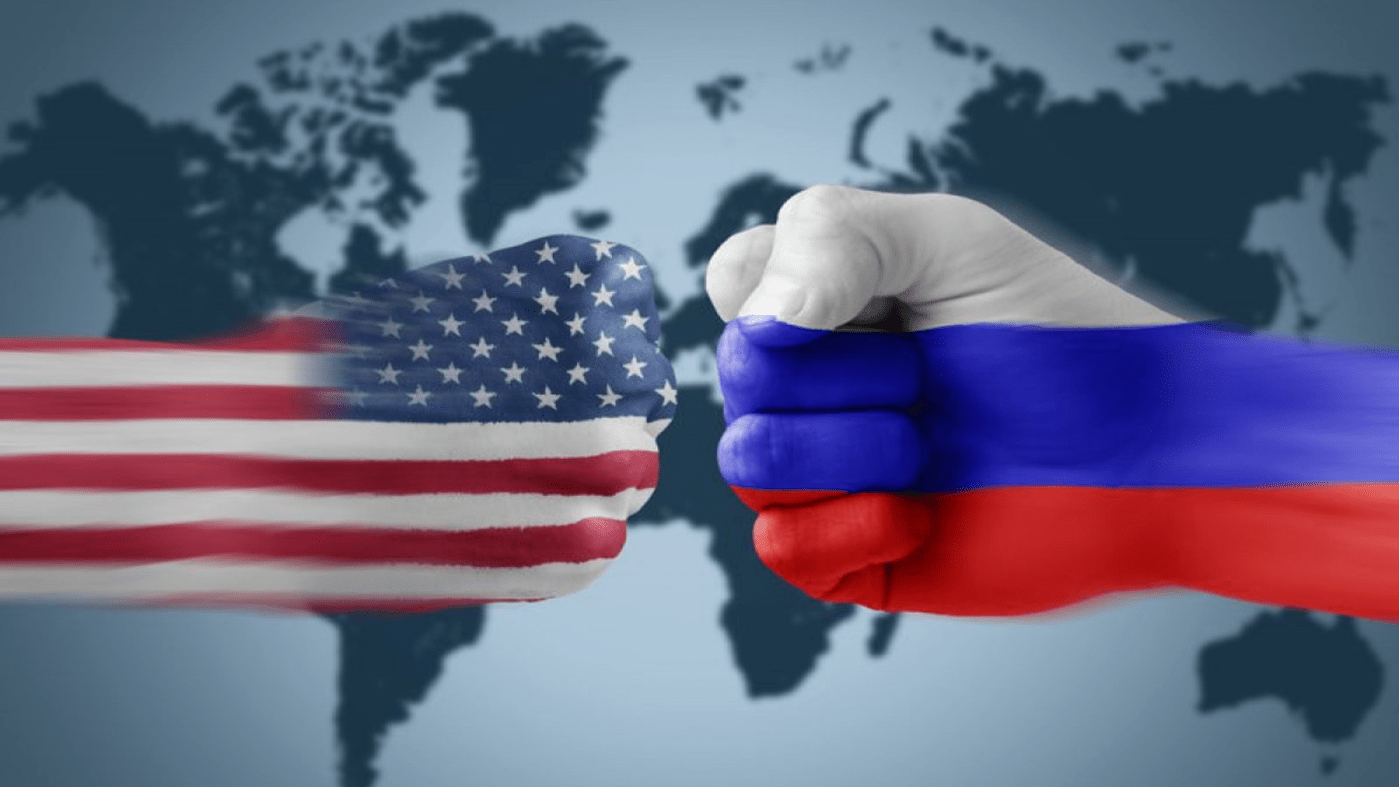
In the decades following the Soviet Union’s dissolution, the United States emerged as the uncontested global superpower, while Russia entered a period of deep instability and constrained influence. Amid this backdrop, Vladimir Putin cultivated a domestic and international agenda rooted in jingoism and resentment, targeting American dominance and the post-Cold War liberal order. This paper explores the evolution of U.S.-Russia relations from the Cold War’s aftermath through the shifting dynamics of the Trump and Biden administrations. It places particular emphasis on the Kremlin’s renewed assertiveness – both overt and covert – and the degree to which personal leadership styles have influenced official policy. From election interference to the invasion of Ukraine, and sanctions to shifting alliances, Russo-American diplomacy has increasingly moved away from institutional norms toward improvisation driven by political theater and personal ambition. As the second Trump administration unfolds, this trend accelerates, raising questions about the future of Western unity and the global balance of power. Rather than marking a return to Cold War orthodoxy, current tensions suggest the emergence of a new paradigm – one defined less by rigid ideology than by opportunism, disruption, and the centrality of executive temperament.
Keywords: Populism, Isolationism, Foreign policy, Ukraine conflict
I. Introduction
With the fall of the Soviet Union in December 1991, the United States established itself as the preeminent power in the world. America retained its military and diplomatic apparatus built up during the Cold War. Russia, on the other hand, weakened by the collapse of the Soviet Union, could only project power in a limited capacity. Attempts at fostering post-Soviet bloc cooperation, such as through the Commonwealth of Independent States (CIS), paled in comparison to the vast and globally integrated American order. The dollar was the standard of trade, and the United States continued to protect American interests around the globe. For years, the United States also went economically unchallenged. Even its greatest competitor, Japan, suffered massive economic stagnation after grossly overvaluing investments in banking and real estate in the 1990s. All the while, Russia continued to lag behind. The Russian Ruble was weak, and its undiversified economy was held in the clutches of a few oligarchs.
In the late 1990s, a new figure began to rapidly rise in Russian politics. Ex-KGB officer Vladimir Putin greatly admired the defunct Soviet Union and was angered at its collapse. This idolization of the past mirrored the sentiments of many Russians. Labelling the collapse of the Soviet Union as “the greatest geopolitical tragedy of the 20th century,” Putin promised to restore Russian prowess. The continued success of the United States, its allies, and ex-Soviet countries that have entered into Western-dominated institutions such as the European Union spurred great resentment within Russian society. This became coupled with Russian limits on projecting power beyond its borders. Pervasive feelings of consternation with the country paved the way for leaders such as Putin to come into power. With promises of strengthened influence and a restoration of Russian glory, Putin’s political rhetoric would ultimately help paint Russia’s relationship with the United States as a battle between two foes. With the rise of populist figures such as Donald Trump and the subsequent shifting of policy goals, however, US-Russia relations have become increasingly unpredictable in the modern era. This would set the stage for diplomacy strongly defined by personality as much as policy.
II. President Trump’s First Term and the Election Scandal
Russo-American relations changed significantly during Donald Trump’s first presidential term. Whereas previous Presidents had often expressed their disagreements with Putin, President Trump employed much more ambiguous rhetoric towards the Russian leader. For example, he commented that he did not know his contemporary that well, suggesting that the President did not want to draw conclusions about Putin. Trump has also disputed the assertion that Russian operatives interfered in the 2016 Presidential election in favor of his candidacy, contributing to an often contradictory posture towards Russia. These comments came in light of thorough evidence supporting the theory of Russian entanglement. In an investigative report published by then-Special Counsel Robert Mueller, Russian hackers were deemed to have obstructed the general election with various methods. The most well-documented strategy was the mass hacking of the Democratic National Convention, which exposed internal emails and documents within the party to the public. These created negative press cycles for the Democratic Party, particularly for Hillary Clinton’s campaign. Russia’s extensive and illegal efforts to help elect Trump demonstrated a monumental shift in its foreign policy, aimed at influencing the American election and bringing in a favorable candidate. Although Trump’s administration cannot be directly tied to Russian manipulation of the election, and Trump himself has expressed concern about the debacle, certain officials from the administration were proven to have had contact with Russian hacker groups during the 2016 election. The ambiguous stance that Trump took towards Russia and the Putin regime suggested more amicable relations between the nations, especially in comparison with previous administrations.
Putin expressed his hope for improved relations with the United States under the first Trump administration. While Hillary Clinton criticized Putin’s election as being rigged, Trump chose not to comment heavily on the legitimacy of Putin’s power. According to the leader, Trump offered Russia a more ‘diplomatic’ route, where personal politicking would be put aside in favor of negotiating based on national interests. While this statement did not necessarily indicate a move toward allyship or close cooperation between the nations, Putin felt that Trump would be a more effective ally for Russian interests. At the time, major Russian interests centered around involvement in Syria during the Civil War and the recognition of Crimea as sovereign Russian territory post-invasion.
During this period, and within the broader context of historical US-Russia tensions, Vladimir Putin took a much more active stance in attempting to influence the course of American politics. However, in official diplomatic interactions between the two nations, outcomes have been less than productive. For instance, in 2017, Congress officially codified sanctions against Russia into law. Additionally, Trump-Putin encounters were heavily scrutinized by the public. At the 2018 meetings in Helsinki, Finland, Trump’s refusal to support the conclusions of investigations by American intelligence agencies during the election drew major skepticism. These discussions did not produce the closer ties that Putin had hoped for, instead putting greater strain on bilateral relations. As the summit achieved no clear outcomes, US-Russia diplomacy would continue to be defined by conflict over cooperation and the projection of power. These developments would become increasingly fraught with the 2022 full-scale invasion of Ukraine.
III. Biden and the Invasion of Ukraine
The 2020 election of Joe Biden and the 2022 Russian invasion of Ukraine dramatically strained US-Russia relations. Similar to the attempts to undermine the candidacy of Hillary Clinton in 2016, investigators of the ODNI 2021 election interference report have also concluded that Russia interfered in the 2020 election against President Biden. Various attempts to influence public opinion were authorized by the Russian government, and Putin utilized conduits to conduct smear campaigns. In addition, Russian agents met with individuals close to Trump, including former lawyer Rudy Giuliani. These agents would also propagate scandalous information regarding the Biden family, in the hopes of being covered by mainstream media outlets. While there has been little evidence for interference with ballot boxes, the Kremlin’s continued attempts to influence American elections emphasize Russian attention towards favoring certain political leaders in the United States.
However, much to the chagrin of Putin, the United States would thoroughly oppose the Russian foreign policy post-election. Throughout his tenure, President Biden reaffirmed the importance of a strong NATO alliance, which Putin perceived as a threat to Russian security. From Putin’s perspective, Russia needed to defend its sphere of influence against further incursions. The anti-Russian policies of the Biden administration certainly posed a problem to Putin, especially when compared to the compromise he found with Biden’s predecessor.
The invasion inevitably denigrated Russo-American relations. Putin employed inflammatory rhetoric and justified the invasion by citing NATO encroachment as a major issue, but he notably used urgent language regarding the national security of his country. He called the “policy containment” of the United States towards Russia “a matter of life or death” for the nation. He listed various perceived American aggressions, such as the bombing of Belgrade during the Kosovo Conflict and intervention in various Middle Eastern countries, highlighting the impunity that followed and the apparent double standards of the international community. Whereas Russia faced nearly unanimous denunciation for the invasion of Crimea, Western countries act by “[interpreting] as they see fit.” Putin’s framing of Russian military actions as self-defense and a course of last resort stands to legitimize his undeniably aggressive foreign policy. This rhetoric marked the beginning of years of renewed diplomatic tensions and a major concern regarding the future of American power projection in Europe. In line with Putin’s apparent wish to reunite parts of the former Soviet Union, Ukraine stood as a prime target for his regime. As a major population center and breadbasket for both the Russian Empire and then the USSR, Ukraine was historically within the Russian sphere of influence. Putin has publicly drawn attention to the shared history of the two nations under previous governments. However, with the fall of the Soviet Union and the buildup of various pro-Western European organizations, Ukrainians have typically sought to distance themselves from Russia. Ukraine even agreed to eliminate its nuclear arsenal in exchange for security guarantees. However, the continued existence of some pro-Russian factions within Ukraine, most notably leaders in the separatist regions of Donetsk and Luhansk, has continued an ideological battle within the country between pro-Western and pro-Russian factions. Such divisions underscored the broader struggle between Western and Russian interests in post-Soviet Europe.
The United States responded to the invasion with rapid and impactful measures in support of Ukraine, with then-President Biden labelling Putin as the instigator who “chose” war. A flurry of sanctions hit Russia and its citizens, including freezes on overseas assets, and the cessation of trade in many important sectors, most importantly, Russia’s exports of natural gas and oil. In addition, Russia was further isolated diplomatically, with most countries in the UN condemning the invasion as a violation of Ukraine’s sovereignty, and even exposing alleged Russian war crimes. However, from the perspective and constructed narrative of Putin, the United States had unfairly been operating in his zone of influence. While America operated across the globe, entering power vacuums created by the Soviet Union’s collapse, Russia lagged economically and militarily.
The gulf in communication between the U.S. and Russia continued to grow. Biden continued his diplomatic and military support of Ukraine, pledged not to abandon it, and hoped that the nation would emerge “firmly rooted in the West.” By the end of 2023, the U.S. and its allies had given more than 35 billion dollars in aid to Ukraine. The Biden administration’s attitude towards Russia echoed that of the containment policies of the Cold War. However, there has been significant disagreement within the U.S. government, particularly from Republican members of Congress, who have been far less enthusiastic about providing support to Ukraine. Opponents of increasing aid, including Speaker of the House Mike Johnson, have decried the packages as adding to the already massive debt of the U.S. government. In addition, Republicans in general have been less hawkish towards Russia. This seems to align with the tradition of Trump’s amicable relationship with Putin, the reemergence of isolationism, and support of global populist autocrats. By the beginning of 2024, a poll conducted found that half of Republicans in the nation thought that the government was providing too much aid to Ukraine. So while the Biden administration took a more aggressive stance towards Russia, many American citizens and powerful factions within the government opposed this position. This difference in policy can be seen in the drastic actions taken by President Trump during the first months of his second tenure.
IV. The 2nd Trump Administration and Shifting Policy
The new Trump administration marked the start of a brand new and continuously developing American position vis-a-vis Russia. While the Biden administration expressed its disdain for Putin’s decisions in recent years, Trump was initially more ambivalent regarding the conflict. One of his main campaign platforms hinged on ending the Ukraine war, addressing concerns about U.S. spending in what is perceived as a purely European affair. Trump has called on fellow NATO members to introduce greater military spending, in light of what he sees as an unfairly and overly American-funded partnership. While Europe has been under the protective umbrella of the United States for decades, Trump has made his ‘America First’ ideology clear. He has implored and pressured European members to contribute more to defense spending, with Defense Secretary Pete Hegseth noting that the United States should not be a “sucker” in the relationship. This posture has already caused tensions between America and European nations, with several countries already looking to revamp their defenses in anticipation of some degree of American withdrawal.
Arguments in the early Trump administration culminated in a televised meeting between President Trump and Ukrainian President Zelenskyy on February 28. Trump admonished Zelenskyy for a perceived lack of gratitude towards the United States’ financial and military aid. He mentioned Ukraine’s compromised position compared to the United States’ diplomatic clout, highlighting the hard-bargaining attitude that Trump wants to portray. Importantly, Trump’s desire for a brokered deal, which would inevitably include massive Ukrainian concessions, marks a sharp turn from Biden’s strong support for the beleaguered nations. From the Russian perspective, a negotiated peace would be ideal if it could hold the eastern territories seized during the invasion. This would severely cripple Ukraine as a nation, and begin a period of heavy Russian influence within the Black Sea region.
Despite lots of discussion, the war remains far from being resolved. While Trump has advocated for a ceasefire between Ukraine and Russia, talks have been slow. While Trump may have expressed dissatisfaction with Zelenskyy, he has also expressed frustration with Putin’s lack of cooperation in negotiations. He has even threatened to impose secondary tariffs to the tune of 25% on Russian oil. This would likely impact countries that buy Russian oil, adding to the larger list of tariffs Trump has proposed on global competitors. Yet, without commitment to negotiations from either side, it appears as though the two countries have been floating around diplomatic leverage to gain a more advantageous position at the negotiating table.
In a Russian-influenced diplomatic agreement, Putin would be achieving his goal of curbing American influence on the European continent. Trump would successfully realize his ‘America First policy,’ appeasing millions of his voters. Thus, a negotiation would serve the interests of both leaders and their grand policy strategies, but would not necessarily bring relations between the countries any closer together.
V. Projections for the Future
On May 19, 2025, President Trump called President Putin in hopes of negotiating an agreement to end the war in Ukraine. Though no major conclusions were reached beyond hopes for further talks between the U.S. and Russia, these talks indicate a distinct break in US-Europe approaches. While the European Union and Great Britain have continued to impose sweeping sanctions on Russia, particularly hitting its oil industry, the United States’s more muted and ambiguous approach to the conflict remains a topic of contention with its European allies. With the United States becoming more isolated from Europe in this regard, there will likely be an uptick in direct US-Russia cooperation and contact. In doing so, international cooperation may become stalled, as bilateral agreements between the United States and Russia may not consider the perspectives of others and lead to diplomatic roadblocks. Therefore, conflicts such as the Ukraine war would likely take a long time to resolve as the major powers seek to weaken others. In any case, Trump will undoubtedly be involved in the achievement of any peace deal between the warring nations.
Despite criticism of Trump’s apparent leniency towards Putin, many of his actions have been fairly orthodox. For example, Trump still conducted airstrikes against Russian mercenaries and personnel in Syria. His recent talks with Putin suggest that he sees benefit in ending the Ukraine conflict. Trump’s tactics can therefore be seen as those of a negotiator who analyzes the actions of his counterparts and responds accordingly. The American President is unique for his brash and inflammatory comments, which often differ from his tangible actions. In terms of political gains, Trump will certainly look to take credit for a ceasefire in Ukraine. This would bolster his credibility among the American people and enshrine him as a mediator. Doing so would also increase his popularity as a fiscal conservative who avoids foreign entanglements to prioritize domestic issues. In either case, negotiation and conversation with the Kremlin will be more direct and frequent than under previous administrations. Putin seeks his own gains — restoring Russia to its former glory would come via a resounding military victory in Ukraine. Fending off the United States, and by extension, causing a great deal of strain between it and Europe, will also be at the front of his mind. A settlement for peace on Russian terms would also increase his domestic popularity, as well as open up more opportunities for incursions into the European continent. With a reclusive United States, Putin can turn his eyes to an isolated, militarily unprepared Europe.
The new era of US-Russia relations does not necessarily have to be understood as a new Cold War. Unlike the ideological dogmatism of that era, many aspects of this current standoff are hot, most evidently the Ukraine war itself. Interactions are driven by brash theatrics in the dawn of a novel form of negotiation. Both Trump and Putin’s populist governance shapes US-Russia relations into a game of outdoing the other. The Cold War-esque era of solely relying on a complex web of spy networks and insider information to gain intel on an adversary has been replaced by a contest of wills and provocative showmanship. Each side seeks to probe the other. In addition, the outsized influence of Putin and Trump in Russo-American politics has shifted policy away from decisions reached by consensus to one based on personal temperament. While the official policy of governments may be spelled out in memoranda and websites, in this new age, they are ultimately at the whims of executive leaders, where the norms of engagement are far from certain.
 The Global Affairs Journal
Leave a comment